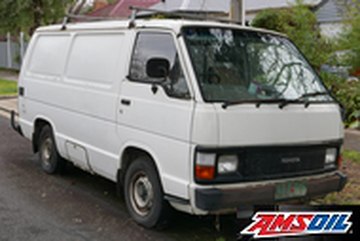
Engine Lubrication and Maintenance for the 1982 Ford Trucks E100 VAN 4.9L
Maintaining a vehicle from the early 1980s requires a proactive approach to fluid management and mechanical inspection. For owners of the 1982 Ford Trucks E100 VAN equipped with the 4.9L engine, consistent attention to lubrication systems is a fundamental aspect of long-term operation. Because these vehicles have been in service for several decades, maintenance strategies often shift from simple routine changes to more detailed condition monitoring.
Monitoring Fluid Integrity and Potential Leaks
One of the most effective ways to monitor the health of an older engine is through regular visual inspections of the lubrication system. Over time, various components may experience changes in their ability to maintain a perfect seal. When performing routine checks, it is useful to look for signs of fluid seepage or active leakage around the engine block and associated sealing surfaces.
If you notice dark staining or wetness on the underside of the engine or near the oil pan area, this may indicate that a gasket or seal is beginning to weep. It is important to distinguish between minor surface seepage and an active drip. While some level of very light seepage can be common in older engines, any significant accumulation of fluid warrants closer investigation to prevent unexpected loss of lubricant levels.
In addition to looking for external leaks, checking the appearance of the oil itself can provide clues about engine health. If the oil appears excessively dark, gritty, or has a strong odor of fuel, it may suggest that the lubricant is being heavily contaminated by combustion byproducts or unburned fuel. Such conditions can reduce the effectiveness of the oil and should be addressed promptly through a fresh service.
Managing Aging Engine Components
As a vehicle ages, the materials used in its construction—such as rubber hoses and various belts—can undergo changes due to heat cycles and time. For the 1982 Ford Trucks E100 VAN, it is prudent to inspect any accessible drive belts or cooling hoses that are present on the engine. If equipped, these components should be examined for signs of deterioration such as cracking, glazing, fraying, or excessive softness.
A proactive maintenance strategy involves looking at the condition of these parts rather than relying solely on their age. For example, a belt that appears glazed (shiny and smooth) may be slipping, while a hose that feels overly brittle or shows signs of swelling might be nearing the end of its service life. Addressing these items during routine oil changes can help prevent secondary issues that might arise from a component failure.
Furthermore, inspecting electrical connections and wiring harnesses for signs of corrosion or fraying is a helpful practice. While not directly related to lubrication, maintaining the integrity of the electrical system ensures that sensors and indicators function correctly, allowing you to receive accurate information regarding the engine's operating status.
Prioritizing Maintenance Based on Vehicle Condition
When managing an older vehicle like this 1982 Ford Trucks E100 VAN, it is often more effective to prioritize tasks based on the current physical condition of the engine rather than following a generic age-based schedule. If you are stepping into ownership of a vehicle with an incomplete service history, establishing a maintenance baseline is a logical first step.
This process begins by reviewing any available repair records or receipts to understand what has been addressed in the past. If no records exist, your priority should be to verify the current state of all essential fluids and filters. Once you have confirmed that the oil and other vital fluids are clean and at the correct levels, you can begin a regular cycle of monitoring for changes in how the engine behaves.
Effective long-term ownership involves distinguishing between necessary preventive maintenance and unnecessary parts replacement. For instance, if a component is functioning perfectly and shows no signs of wear or impending failure during inspection, it may not require immediate attention. However, addressing active leaks or unusual noises immediately is far more critical than replacing parts that still meet functional standards.
Understanding the Role of Lubrication
The engine oil in a 4.9L engine performs several vital roles that extend beyond simple lubrication. It acts as a medium for heat management, helping to carry thermal energy away from high-friction areas and toward the cooling system. Additionally, modern lubricant formulations are designed with additives that assist in deposit control, helping to keep internal surfaces clean of sludge and other buildup.
Maintaining the quality of this lubricant is essential for ensuring that these functions are performed reliably. When oil breaks down due to age or extreme operating conditions, its ability to manage heat and resist oxidation decreases. This can lead to a gradual accumulation of deposits within the engine, which may eventually affect how smoothly the engine operates. Regular service helps ensure that the chemical properties of the lubricant remain intact to protect the engine's internal components.
Observing Potential Warning Signs
While many maintenance needs are identified through scheduled inspections, some issues present themselves through observable symptoms. It is important to remain attentive to how the vehicle behaves during operation. For example, an unusual mechanical noise that was not previously present should be investigated, as it could be related to a change in lubrication efficiency or a component nearing failure.
Changes in exhaust characteristics can also be a signal for inspection. While different engines produce different exhaust profiles, any sudden or significant change in the color or consistency of the exhaust may indicate that something is changing within the combustion process or the lubrication system. Similarly, if you notice a sudden increase in how often you need to check or add oil, this warrants an investigation into potential leaks or internal consumption.
Always remember that symptoms can have multiple underlying causes. A single observation, such as a small puddle under the vehicle, does not automatically point to one specific failed part; rather, it serves as a prompt to perform a more thorough inspection of the surrounding area to identify the actual source of the issue.
Practical Advice for Buying Engine Oil for your 1982 Ford Trucks E100 VAN 4.9L
When you are ready to replenish the lubricant in your 1982 Ford Trucks E100 VAN 4.9L, the most important step is to ensure that the product you select matches the specific requirements for your engine. Rather than relying on general assumptions about older vehicles, always refer to the application-specific oil viscosity and requirements listed on this webpage.
When shopping for products, pay close attention to the labels on the containers. You may encounter various formulations, including conventional oils, synthetic blends, or full synthetic oils. Some owners of aging engines choose high-mileage formulations, which contain specific additives intended to help maintain the integrity of seals and gaskets. The right choice depends on your specific engine's condition and the guidance provided in your application information.
Verify that any oil you purchase meets the appropriate API (American Petroleum Institute) service classifications. This ensures that the lubricant has been tested to meet modern standards for cleanliness and protection. By matching the product directly to the viscosity and quality information displayed here, you can ensure that your maintenance efforts support the continued operation of your 4.9L engine.